Know how to respond to psychosis.
When someone experiencing psychosis enters your hospital, treatment program, facility, or workplace, your staff need to know what to do. The Psychosis Safety Protocol (PSP) gives them the skills to respond safely and effectively.
A six-step approach to psychosis de-escalation
PSP teaches staff what to do from the first sign of escalation through the point when additional crisis support is needed.
- Step 1 of 601
Regulate yourself first
Your own response matters. Staff learn how to recognize when they are becoming overwhelmed and when another team member should step in.

- Step 2 of 602
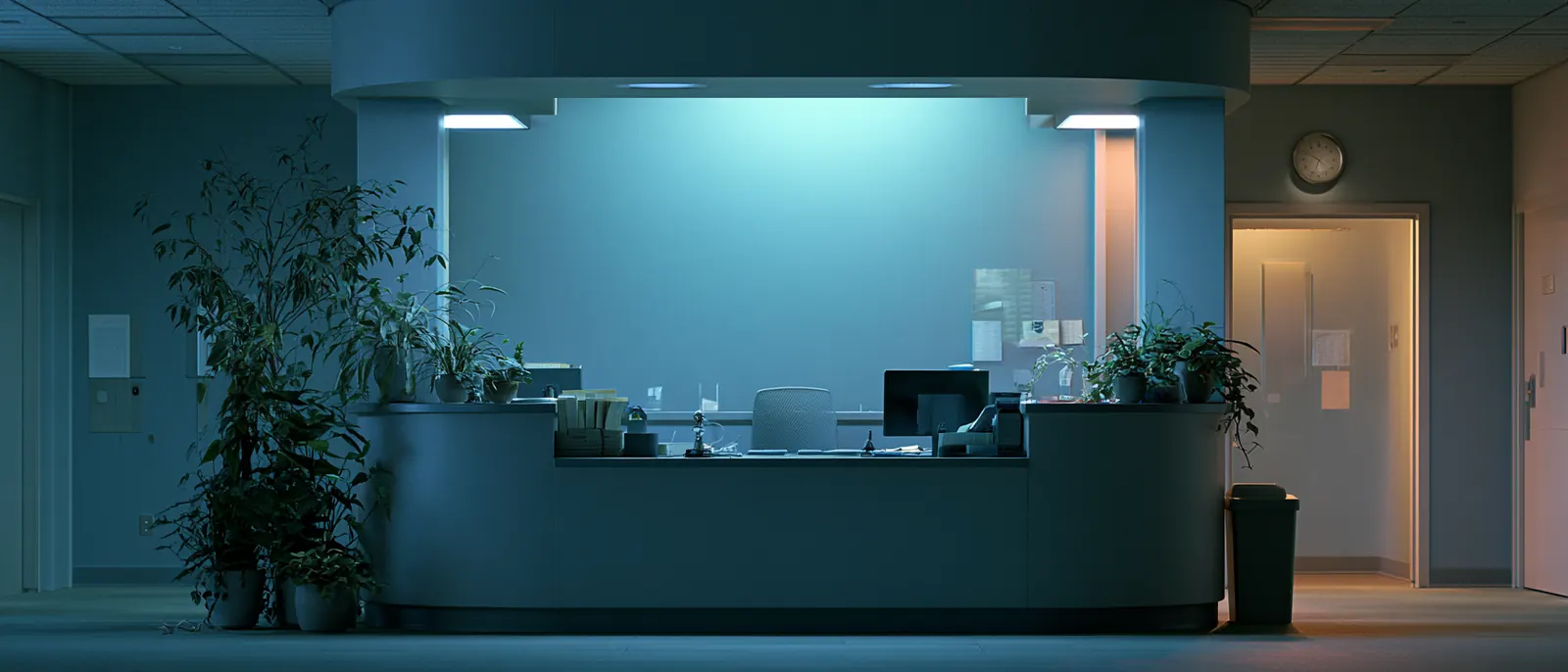
Use body language that reduces tension
Learn how posture, positioning, eye contact, and physical presence can affect someone experiencing paranoia or psychosis.
- Step 3 of 603
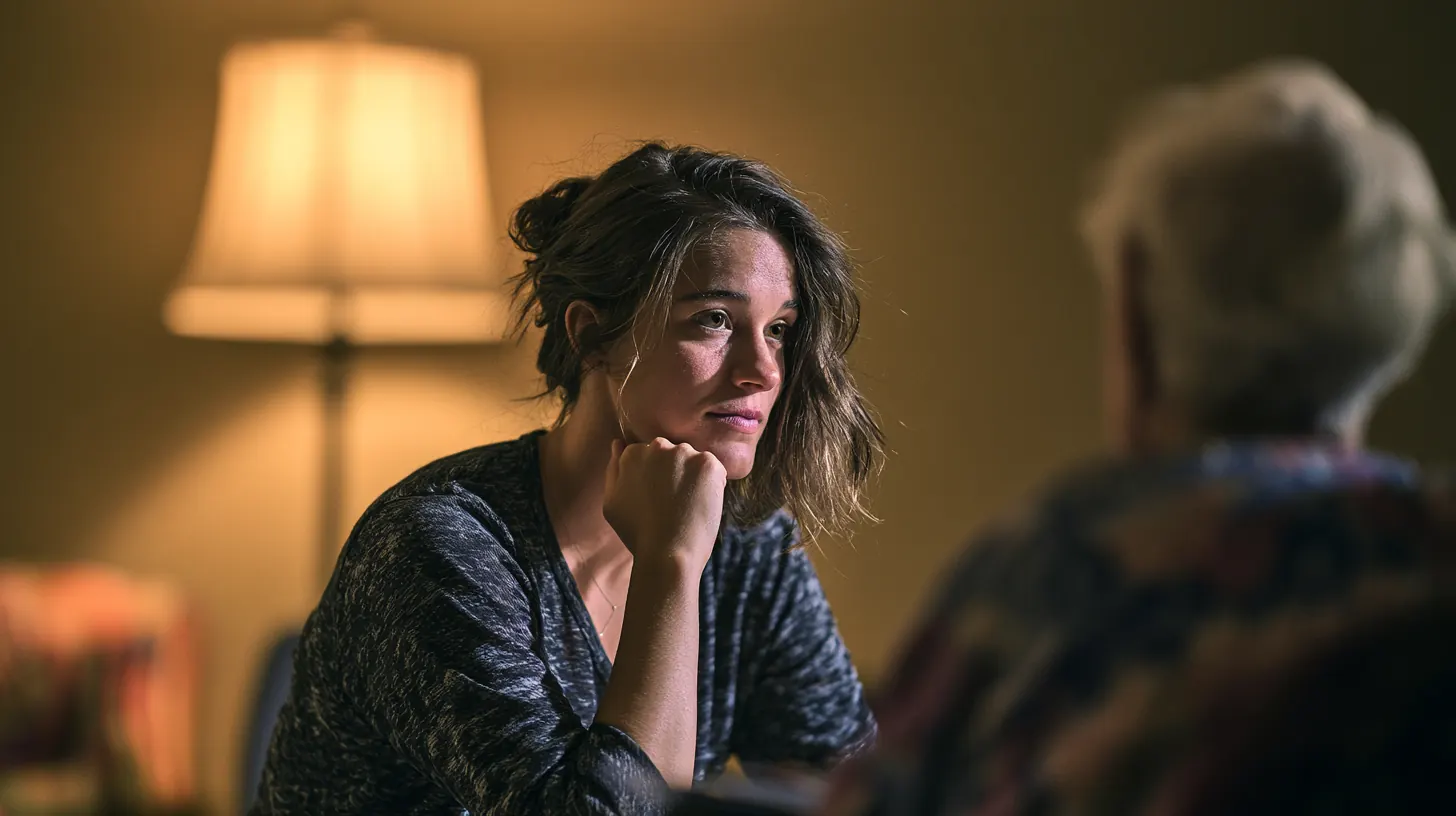
Validate the feeling, not the delusion
Acknowledge fear or distress without confirming something that is not true. PSP teaches staff what to say, and what not to say.
- Step 4 of 604
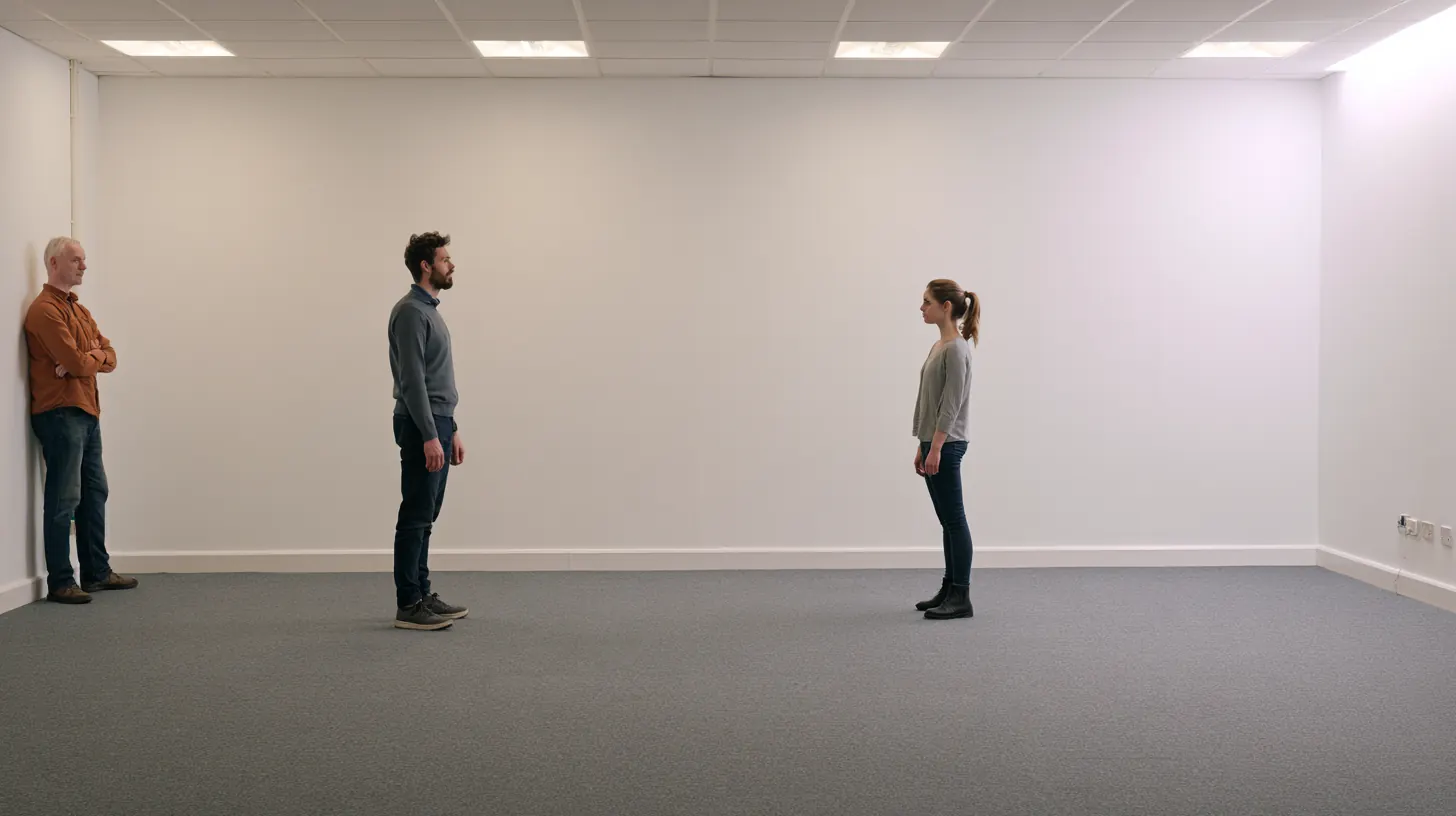
Reduce stimulation
Noise, crowds, bright lights, and other environmental factors can increase agitation. Staff learn how to create a calmer setting when possible.
- Step 5 of 605
Offer simple choices
Giving someone two clear options can restore a sense of control and make cooperation more likely.

- Step 6 of 606
Know when de-escalation is not enough
De-escalation does not work in every situation. Staff learn when to stop, get additional support, and move to the appropriate crisis response.

Training for the people who face psychosis firsthand
For organizations
For organizations
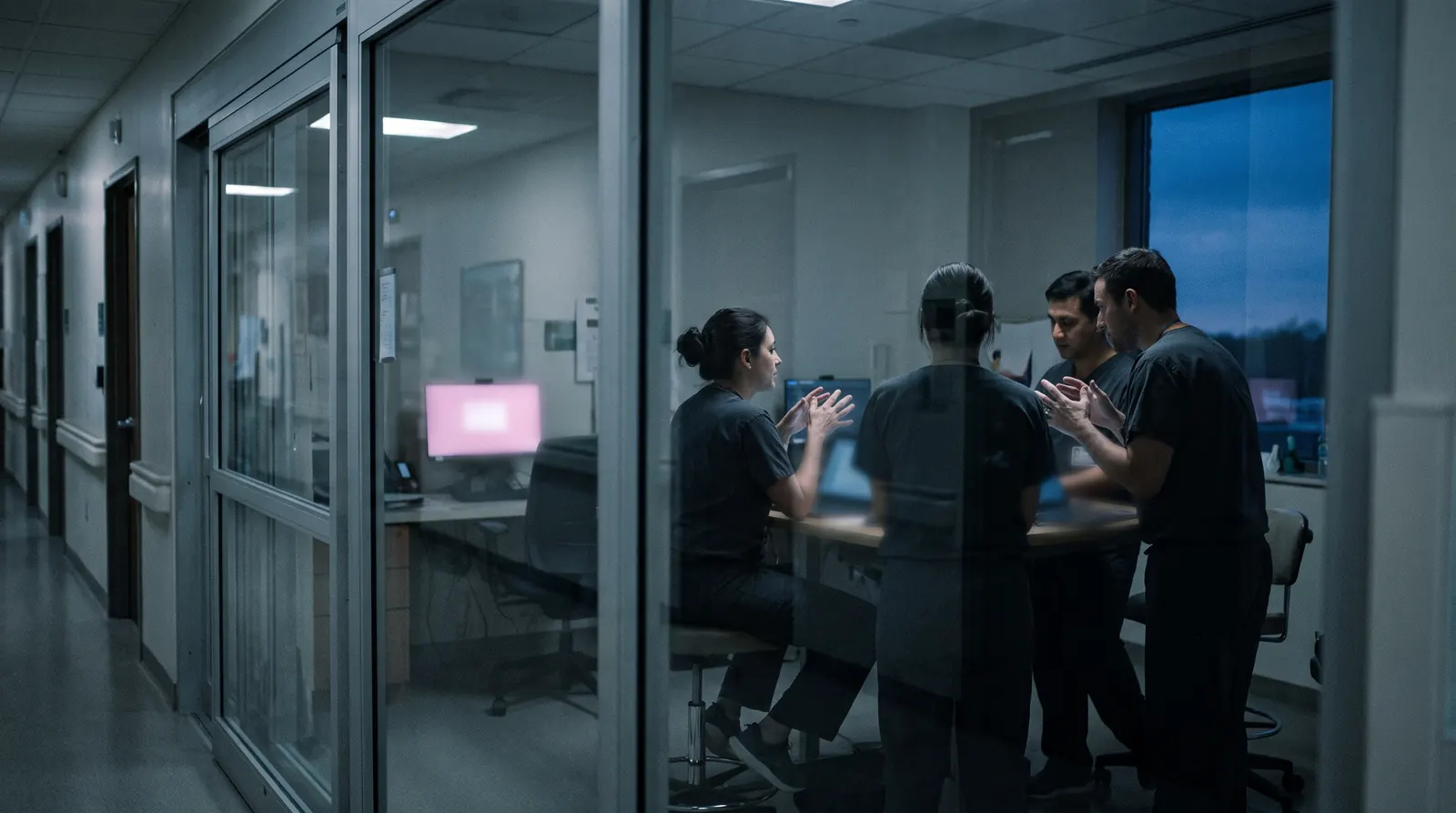
PSP helps organizations train staff in psychosis response, de-escalation, crisis intervention, and workplace violence prevention. See how PSP aligns with the training requirements that apply to your organization.
- Hospitals and emergency departments
- VA medical centers
- Behavioral health facilities
- Residential treatment
- Detox and SUD programs
For professionals
For professionals
Build practical skills for working safely with people experiencing psychosis. Level 1 includes 12–14 hours of self-paced coursework, an exam, and a dated certificate of completion. Licensed clinicians can begin at Level 2.
- Nurses
- BHTs
- Counselors
- Clinicians
- Crisis teams

Designed around real training requirements
PSP was built to support organizations that require structured training in de-escalation, crisis response, and workplace violence prevention.
The Joint Commission
NPG.02.04.01 EP 2For Joint Commission-accredited hospitals, including VA medical centers.
See your requirements →02Cal/OSHA
8 CCR §3342(f)(3)For California healthcare employers.
See your requirements →03CMS
42 CFR §483.376For psychiatric residential treatment facilities.
See your requirements →
Built from doctoral research
PSP was developed from a doctoral procedural manual by Cole Dyar, DMFT. The work was reviewed by six subject-matter experts with more than 75 years of combined professional experience as part of IRB-approved doctoral research.
Leadership
The people behind PSP
Chief Executive Officer & Creator
Dr. Cole Dyar, DMFT
Dr. Cole Dyar, DMFT, LAADC, CEAP, is Executive Director of Virtual Services at Northbound Treatment Network and co-founder of Neurish Wellness, Northbound's primary mental health program, which was built from concept to four licensed psychiatric facilities. He has worked in the behavioral health field in operational, clinical, organizational, and executive capacities for 14 years, launching and leading programs across residential (de novo), crisis stabilization, PHP/IOP, and virtual levels of care. Dr. Dyar holds a Doctorate of Marriage and Family Therapy, a Master of Science in Industrial/Organizational Psychology. He is a Licensed Advanced Alcohol and Drug Counselor (LAADC) through CCAPP and a Certified Employee Assistance Professional (CEAP). He develops measurement-based care and outcomes tools used across the programs he is associated with and writes on outcomes measurement, de novo launch & payor strategy, and value-based care in behavioral health.
Chief Medical Advisor
Dr. Araz Tawfique, MD
Dr. Araz Tawfique is an award-winning, Board Certified psychiatrist in La Jolla, CA with over ten years of experience working with people of diverse needs. He pursued his true passion for psychiatry and completed his psychiatric residency training at the University of Nevada, Reno. A San Diego native, he returned to Southern California to receive additional training in mental health, and start his private practice. His specialties are psychiatry and psychotherapy, which are techniques that facilitate a better understanding of thoughts, feelings, and motivations. His approach explores the interplay of biology, psychology, and sociology in shaping individuals and their relationships. Dr. Tawfique’s experience includes delivering comprehensive addiction treatment at substance abuse centers in San Diego.
Chief Marketing Officer
Jeff Klein
Jeff Klein is the Managing Member and Co-Founder of Hawaiʻi Virtual Care, bringing more than 20 years of experience in mental health, addiction treatment, recovery support, and behavioral healthcare operations. In California, he co-founded Crownview Psychiatric Institute, Crownview Co-Occurring Institute, and Experience Structured Living, gaining extensive experience in building and operating comprehensive behavioral health and recovery programs. Throughout his career, Jeff has helped develop and operate programs designed to support individuals facing complex mental health and substance use challenges.
After settling in Kailua-Kona, Jeff saw firsthand the limited availability of structured sober living and behavioral health resources on Hawaiʻi Island. Determined to help address that gap, he founded Kona Sober Living, providing individuals in recovery with a highly structured, supportive living environment and greater connection to the local recovery community.
That experience ultimately helped inspire Hawaiʻi Virtual Care, created to expand access to high-quality mental health and substance use treatment for individuals and families throughout Hawaiʻi.
Jeff is also deeply involved in the Kona recovery community and currently volunteers as Vice President of the 12 Step ʻOhana Club of Kona. His work reflects a longstanding commitment to expanding access to care, strengthening recovery resources, and helping build a more connected continuum of behavioral health services for Hawaiʻi’s communities.

See whether PSP fits your organization
We’ll walk through your current training requirements, show you where PSP fits, and identify anything your organization would still need to provide.